This website uses cookies so that we can provide you with the best user experience possible. Cookie information is stored in your browser and performs functions such as recognising you when you return to our website and helping our team to understand which sections of the website you find most interesting and useful.
Fun
Inspiration
Knowledge
PR
20 May 26
Netball vs construction: Why they have more in common than you think

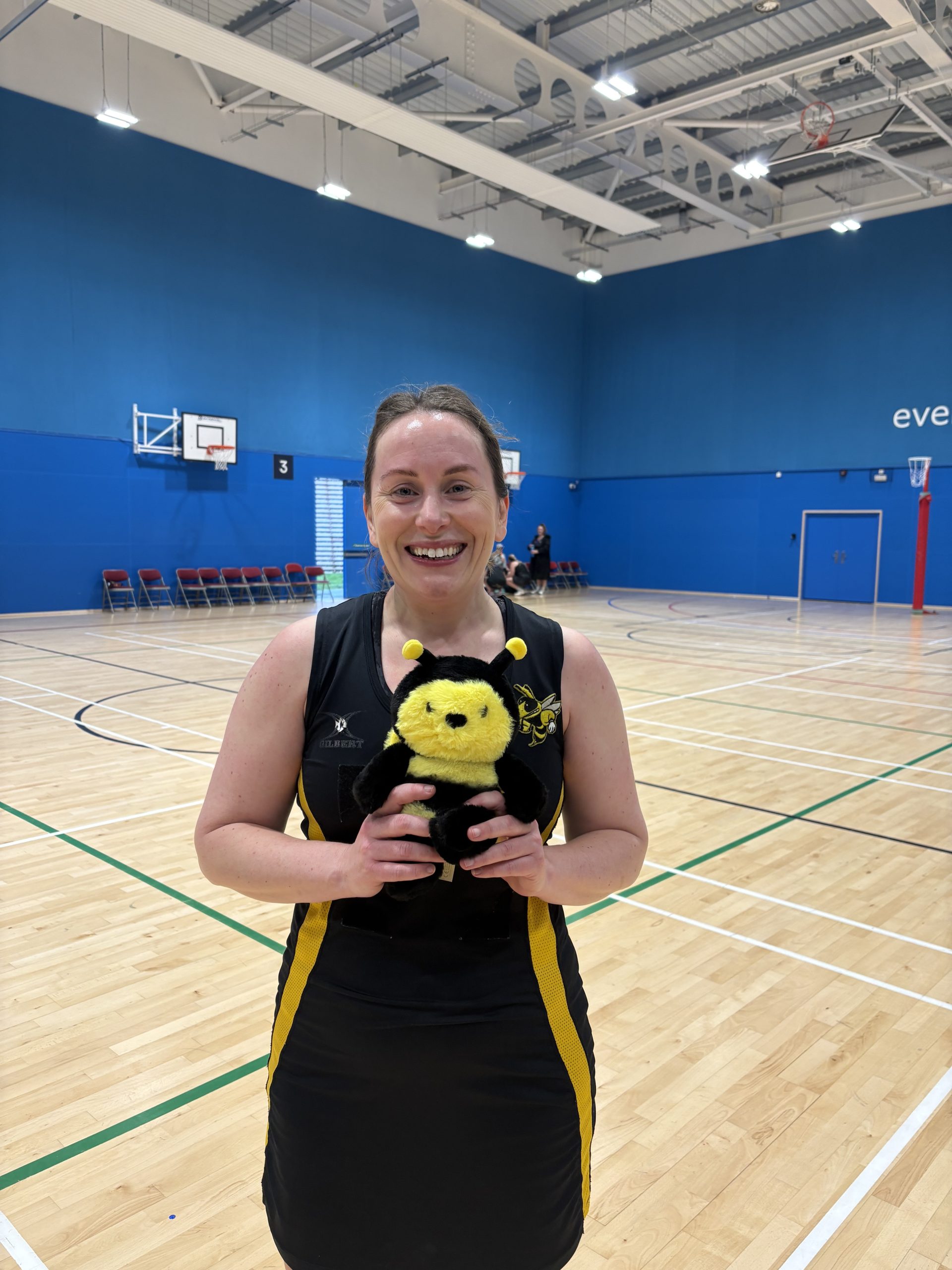
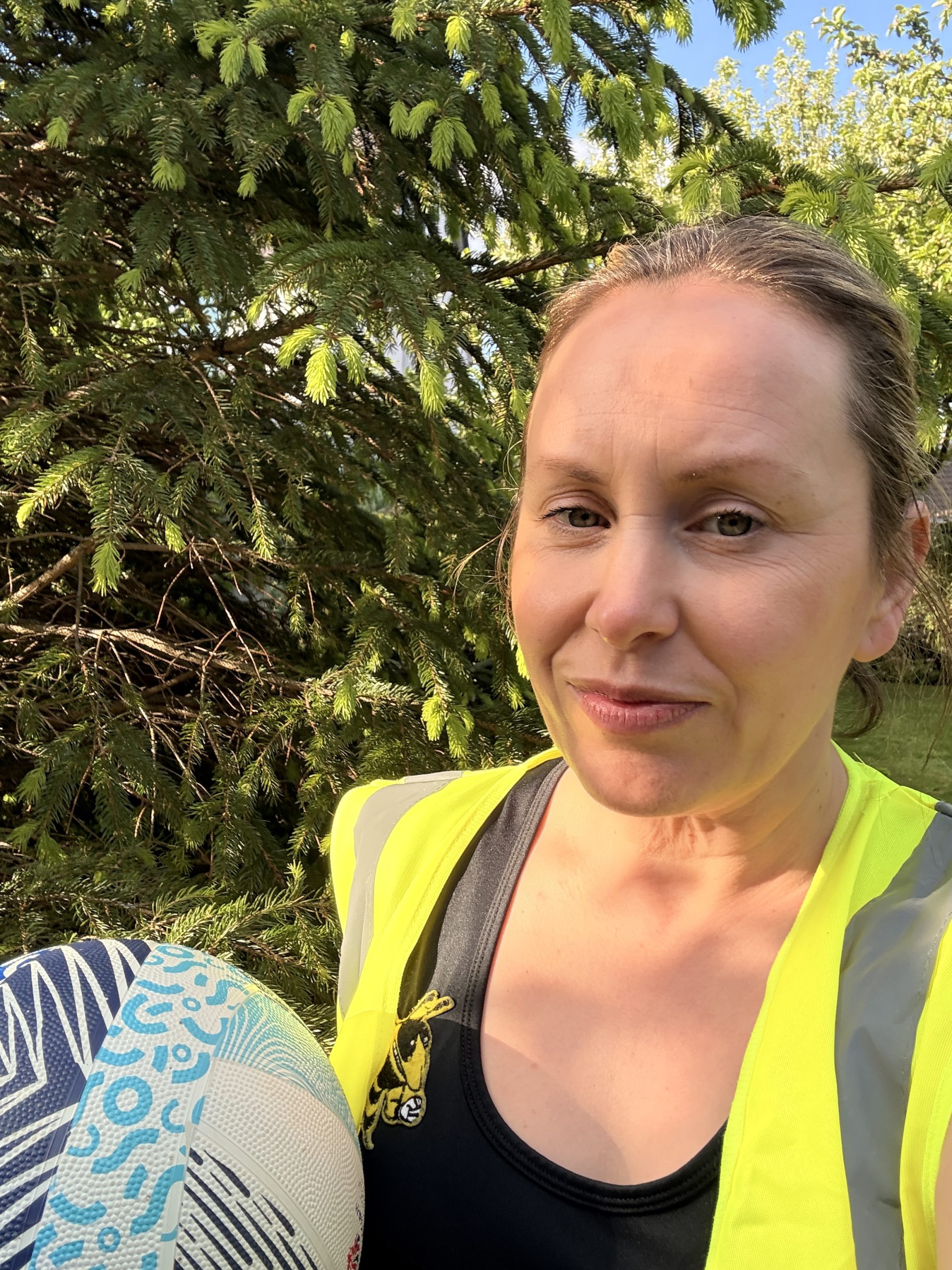
This blog post was brought to you by Jo Hart – Unhooked’s netball playing, construction PR expert.
Anyone who knows me will be aware that I can shoehorn netball into most conversations and, without invitation, will tell you a) why it’s an amazing sport and b) it should be in the Olympics. No, it definitely isn’t before you check (back the bid here).
So it was an absolute joy this week to open LinkedIn to see Building Magazine running its inaugural ‘Built Environment Netball World Cup’.
Seeing two of my loves come together – and for a fantastic cause – brought a huge smile to my face. But it also got me thinking about how much construction and netball actually have in common.
Hiding in plain sight
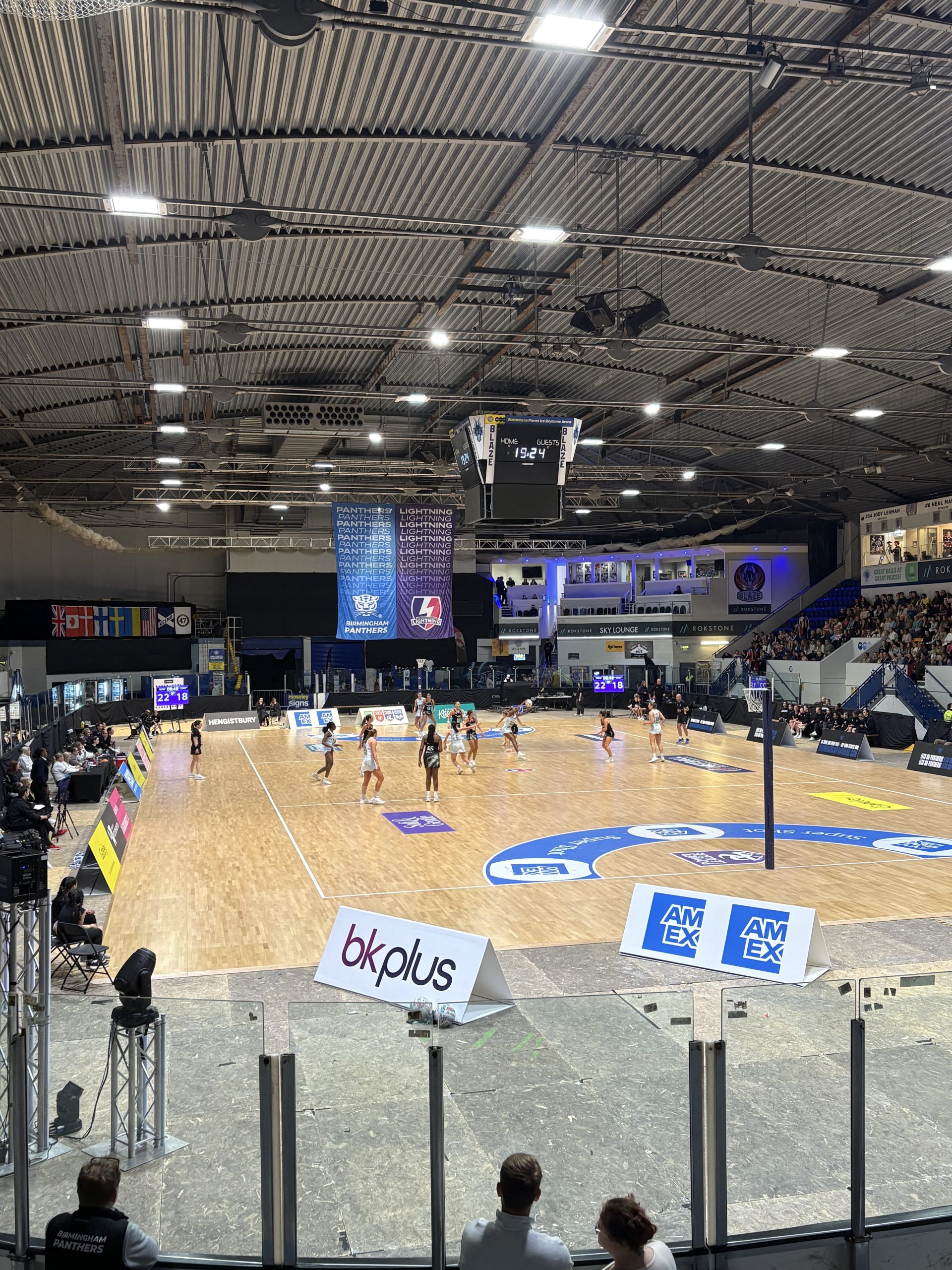
Netball is one of the most played sports in the world. Around 20 million people participate globally, and in England alone, 1.3 million people play the game, making it one of the largest female participation team sports in the country.
Yet despite that, the sport still struggles for mainstream visibility.
It is still not in the Olympics (did I mention that?) and only last year did the UK’s elite-level league professionalise, introducing salaried players. This year, the UK netball community celebrated having 75% of matches available live across Sky Sports TV and YouTube channels, but the season has thus far been plagued by poor broadcast quality and a seeming lack of investment from production companies.
Comparably, construction feels strangely similar. It is one of the UK’s biggest industries and shapes almost every aspect of daily life, from homes and schools to infrastructure and sustainability. Yet public understanding of construction careers still feels incredibly narrow.
Ask someone outside the industry what construction looks like, and there is still a good chance they picture muddy boots, scaffolding and a white van. The reality is obviously far broader than that. The built environment spans engineering, sustainability, manufacturing, logistics, communications, technology and design.
From a PR and communications perspective, both sectors often fall into the trap of talking to themselves rather than translating their value for wider audiences. People in the industry (broadly) already understand the impact – the challenge is making everyone else care too.
Both industries battle outdated myths
Netball still carries a surprising amount of baggage when it terms of perception. There are people who still describe it as “just a school sport”. People who assume it is non-contact (my weekly bruises tell me otherwise), slow (100 goals per game?!) and basketball’s poor relation.
Construction has its own version of this. Trades are too often treated as something people “fall back on” rather than aspire to. Construction careers are still wrongly viewed by some as limited, old-fashioned or lacking creativity.
A recent survey by the Federation of Master Builders found that only 47% of UK adults would encourage their child to pursue a career as a builder, despite the sector’s huge earning potential and growing demand. As well as saddening me to my core, this statistic shows the massive perception issue in our industry, because the reality is that construction offers stable, entrepreneurial and highly skilled career opportunities at a time when many graduates are leaving university with significant debt and uncertain career prospects.
What construction can learn on inclusion
One thing netball does genuinely well is inclusion. Yes, there is still progress to make around visibility and investment, but as a sport, it has always created space for different body types, personalities and strengths.
Tall players often dominate in the shooting circle or defence, using height and reach to their advantage. Smaller, agile players thrive in midcourt positions where speed, endurance and movement matter more. There is no single “netball body”, and importantly, larger body shapes are not treated as something to hide or apologise for but are recognised as valuable to the game. Personally, I play on a team with two players aged over 60 who regularly get voted player of the match by our opponents.
That feels particularly important when compared to construction because, despite employing around 2.9 million people and contributing 9% of UK GDP each year, the industry still struggles with the perception that certain people naturally “fit” construction more than others.
At the moment, women make up around 15% of the industry, while only 6% of workers come from ethnic minority backgrounds. And according to the Construction Inclusion Coalition, almost half of people say they would be more likely to look for jobs in construction if the sector demonstrated a stronger commitment to diversity and inclusion. That matters because construction, much like netball, only works when different people bring different strengths to the table.
The construction industry needs strategic thinkers, practical problem-solvers, technical specialists, communicators, planners, creatives, and skilled tradespeople. It needs merchants, manufacturers, suppliers, installers and contractors all working together under pressure. It needs experienced professionals to pass knowledge on to apprentices entering the industry for the first time.
No successful netball team exists because one player carried the whole game while everyone else stood still. Construction is exactly the same, and yet many of those roles still remain largely invisible – or undervalued – in wider conversations about the built environment.
That is something writer Phineas Harper explored recently when discussing how trades and practical skills are still too often unrecognised in Britain, despite the industry constantly talking about labour shortages and skills gaps. Construction quite literally does not function without tradespeople. The industry cannot talk seriously about retrofit, housing delivery, or net zero while failing to properly celebrate the people who are actually delivering the work.
More alike in their differences
Ultimately, both netball and construction face the same challenges: they are hugely valuable, widely participated in, and entirely dependent on teamwork, yet are still underestimated by people outside their respective bubbles.
Both are trying to broaden perceptions, both are trying to attract the next generation, and both are still working to make people understand that success does not come from one type of person, one background or one route in. Whether it is a netball court or a building project, the best teams are never made up of people who all look, think and work the same way. They are built around different strengths, different personalities and people who understand how their role contributes to something bigger.
Construction has an enormous opportunity to learn from that. Not just in how it talks about inclusion, but in how it visibly celebrates every part of the team, from apprentices and tradespeople through to manufacturers, merchants and specialists across the supply chain.
Perhaps that’s why the idea of seeing courts full of built environment professionals playing netball felt strangely fitting, because both worlds already have more in common than they probably realise. Both worlds are full of talented people doing fantastic things that deserve far greater recognition, better storytelling and a much bigger place in the public conversation than they currently receive.
If you’re looking for more strategic construction PR, get in touch with us. If you’re looking for netball tips and chat – get in touch with Jo!