
Be more human to win AI search
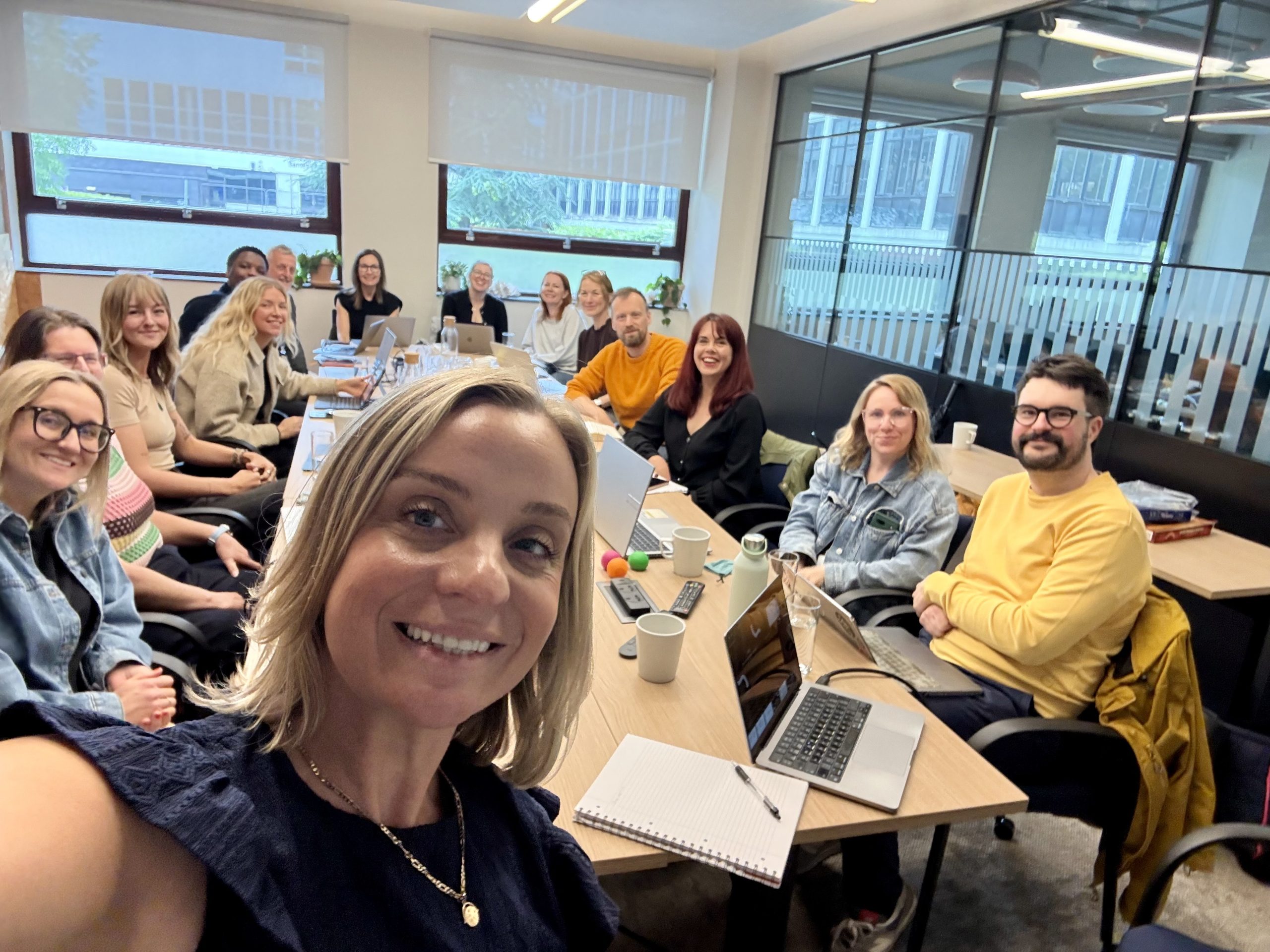
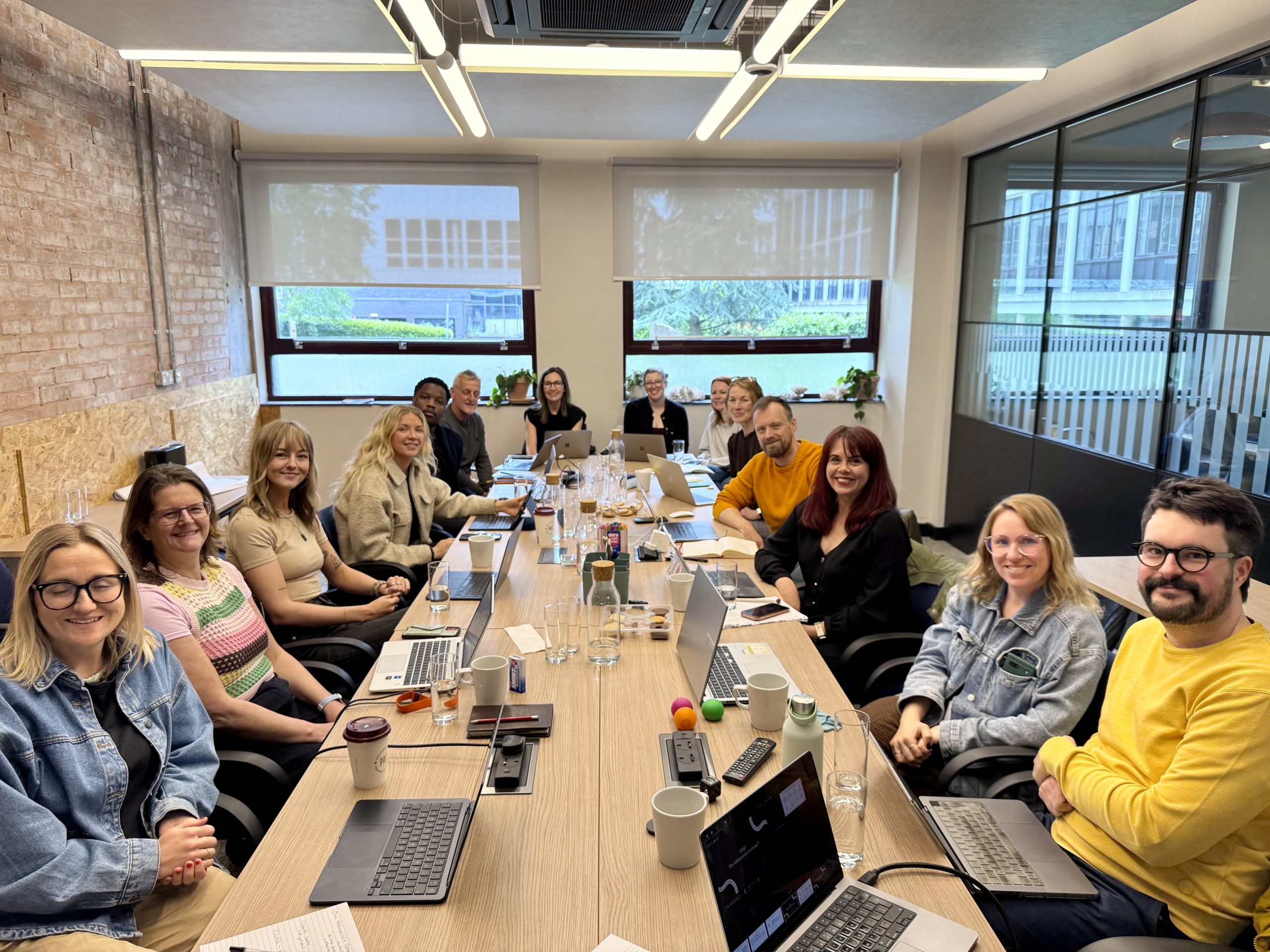
In May, some of the Unhooked team ran two AI Search and LLM Visibility workshops in Birmingham and Manchester, attended by senior marketers and business leaders from organisations including Häfele UK, City Plumbing, Tradesman Saver, Curtis Furniture, Greater Manchester Chamber of Commerce, The Royal College of Surgeons of England, Planit and more.
We discussed how AI tools are changing search habits, the latest data around how these tools are being used, and the limitations and challenges that come with this new world of search. Alongside that, we also looked at how we can start to influence LLMs and AI tools so that brands show up in the right way, as well as how we can measure and report on results.
The workshops were designed to be hands-on so attendees could test prompts themselves, compare platform responses and explore the differences between tools like ChatGPT, Gemini, Claude and Perplexity. It was great hearing the conversations during the exercises and listening to people’s experiences of how AI search is already affecting their businesses, their roles and customer behaviour.
Some of the chats during the exercises were around how accurate the information about their brand was, how they compared against their competitors, different sources that were cited, and how up-to-date the details were.
“The information ChatGPT shared about our brand was wrong, I asked it why it had shared that information, then it admitted it had made it up.”
“Our competitor is coming up more for this prompt, and the answer leans into the heritage of the brand, but we’ve got a longer history so this is something we can lean into.”
“It’s great that we’re being recommended for some audiences, but we’re not coming up for some other groups that we really should be.”
But the biggest point we wanted people to take away from the workshops was how being more human will help brands win in AI search.


City Plumbing
City Plumbing
PR and marketing, especially earned media and own-channel content, are proving powerful when it comes to influencing AI search and LLM visibility. But we can’t hand the reins completely over to AI and automate everything.
We’re already seeing a huge rise in AI-generated slop online. The same recycled ideas, generic thought leadership, repetitive LinkedIn posts and low-quality articles are being reproduced at scale. We’re even seeing examples of fake spokespeople appearing in the media as some brands and agencies try to game the system, which has been reported in detail by the Press Gazette.
There’s also data out now that shows that brands relying on churning out AI-generated content to rank is already dropping in performance.
The way tools like ChatGPT and Claude currently work mean that while brands’ own websites can perform and be cited regularly, the type of content is important with an emphasis on case studies, testimonials, awards, rankings, bespoke thought leadership and data, and proof of experience, knowledge, ability and heritage. Alongside this, trusted media websites, reviews and forums also get cited and used as evidence to shape what appears around brands on AI platforms and LLMs. And a lot of this sort of content is based on real experiences of real people over time – something that can’t be made up.
AI tools love data and trends – so the more rich, varied and credible data it has to build a picture of a brand, the better. And as the tech becomes more sophisticated, the emphasis will become even more focused on making sure that data is based on trust and real life experiences.
In short, trust signals and a strong reputation are becoming increasingly important. And finding ways to cut corners – i.e. churn out a load of AI slop with no knowledge, experience, opinion or insights and getting technology to do all your homework for you – will weaken this trust. Not just with the AI tools and LLMs, but with your actual customers and other stakeholders too.
Because yes, we may want our brands to start showing up in AI search, but we also want people to find and engage with us. And we’ll only do that by developing content that helps them, answers their questions and problems, inspires them and resonates with them.

Getting one step ahead of the game
In our AI search and LLM visibility workshops, we looked at channel and content strategies to help brands be cited and mentioned in the right way on these platforms. But we also discussed how the tools and technology are going to keep changing. So yes, it’s important to know what tactics may help today, regularly monitor and evaluate how you’re performing, and see what is currently working or not, but know this will change.
We can all keep an eye on the latest reports and data and adapt our strategies accordingly, but the best approach is to just think about doing good PR and marketing in the first place.
This has always been based on understanding people, their wants and needs, challenges and pain points, their lifestyles and interests, and building strategies around this that allows your brand to connect and engage with them in an authentic way.
The brands that stand out in AI search are often the ones with the clearest sense of identity, credibility and experience, who also have a strong digital footprint of evidence and proof points that real people trust your business.
Brands often want to play it safe – whether that’s because they don’t want to upset anyone or because it’s all too easy to put their thoughts into an AI tool to sense check something, which ends up ripping out any soul to it.
But being more human and building trustworthy proof points doesn’t need to be complicated. Here are some ways to establish a strong, trustworthy and human digital footprint.
- Real experiences: Talk about what you’ve done – projects, events, community initiatives, staff events, training, speaking opportunities, podcast appearances, fundraising challenges, best wins, memorable failures.Share lessons learned, project outcomes, behind-the-scenes insights and practical experiences.
- Case studies and testimonials: Case studies and testimonials from customers work because they’re based on real people and real experiences. As well as having these on your own websites, look at which third party platforms are currently performing well on different AI models (TrustPilot and Clutch, for example, often come up at the moment) and focus your efforts there.
- Opinions and perspective: AI-generated content often sounds safe, flat and doesn’t tend to have much substance. Having an opinion or offering a different perspective can help you stand out, and that doesn’t mean you have to be controversial, you can still base your thoughts on your experiences or knowledge to explain what you mean and why.
- Milestones and history: Your heritage, experience, company history, team expertise and evolution all help build authority and trust – and it’s something that can’t be replicated or fabricated. So whether you’re a startup who can talk about the experiences of the founders which led them to start a new company, or a company with a 100+ years’ history which has grown and adapted over time, lean into your unique timeline.
- Speaking, events and partnerships: Showing up in person not only creates valuable content to humanise your expertise, knowledge and skills, but it also builds those all important human relations too. Events, workshops, podcasts, panels, partnerships and industry involvement all create signals that your business exists beyond your own marketing channels.
- Unique data and thought leadership: Original insight is becoming more valuable as generic AI content floods the internet. Brands with access to customer insights, market data, research or specialist expertise have a big opportunity to stand out, plus these sorts of data-led PR campaigns create all kinds of PR and content opportunities that will inform and inspire your target audiences.
Write for humans, structure for machines
One of the key themes from our workshops was to: Write for humans, but structure for machines.
That means creating content that is useful, readable and engaging for people, while also making sure it is structured clearly enough for AI tools to understand.
The brands currently performing well tend to have:
- Clear service and product pages
- Helpful FAQs and Q&As
- Comparison content
- Strong case studies
- Leadership bios
- Expert commentary
- Long-form explainers
- Consistent messaging
- Evidence-backed thought leadership
Compared to traditional SEO, GEO or AEO (generative engine optimisation and answer engine optimisation, respectively, the terms often given to AI search and LLM visibility) are less about keyword stuffing and more about answering real questions and personalised prompts.
Rather than try and chase shortcuts or try to ‘hack’ LLMs, businesses should focus on consistently creating useful, credible and human content and conversations through their PR, marketing and content.
AI search and LLM visibility is changing quickly, but strong positioning, expert insight and clear communication still matter.
At Unhooked, we’re already helping businesses understand what this shift means in practice through AI search and LLM visibility workshops, alongside ongoing PR and marketing support designed to help brands stay visible, relevant and trusted in a changing search landscape. Find out more about the role of PR in GEO and AI search.
Want to see how we can help your AI search and LLM visibility through workshops and training or ongoing PR and marketing? Get in touch today.